

What if learning wasn’t something that only happened in a classroom? At Clonlara School, we believe meaningful learning happens everywhere—in conversations, creative projects, community experiences, travel, and everyday life. Clonlara advisor Isabelle Guillemin shares seven ideas that challenge common assumptions about education and offer a different perspective on what personalized learning can look like.
Personalized learning starts with a simple idea: learning is part of life. Yet many of us grew up believing education only happens inside classrooms, according to a fixed curriculum and schedule. What if we looked at learning differently?
1. The Classroom Paradox: From Silent Compliance to Creative Engagement
Imagine, for a moment, the quiet silence of a traditional classroom, where every whisper is discouraged and attention is dictated by the ringing of a bell. Now contrast that with the creative buzz of everyday life: a child taking apart an engine to understand how it works, a teenager producing a documentary, or a family discussing global issues around the dinner table.
For too long, we’ve confused education with rigid instruction. Yet the whole world is a classroom filled with endless opportunities. This is at the heart of Clonlara School’s personalized learning philosophy. At Clonlara, school is not a building—it is a way of learning that empowers students to become the drivers of their own intellectual journey.
2. Everyday Life Can Be the Best Classroom
One of the biggest mindset shifts in personalized learning is recognizing that living is learning.
At Clonlara, we don’t separate “school” from “real life.” A basketball game, preparing a family dinner, listening to history podcasts, or even building complex architectural structures in Minecraft are not distractions. They are meaningful learning experiences that can become part of a student’s academic journey and even earn academic credit.
By rethinking what “school” looks like, we reconnect students with their natural curiosity. As our philosophy states, “Learning begins with curiosity.” When students learn because they are passionate—not simply because they are required to—their intrinsic motivation takes over. Stress gives way to deeper engagement because they are no longer working for a grade; they are building their own understanding of the world.
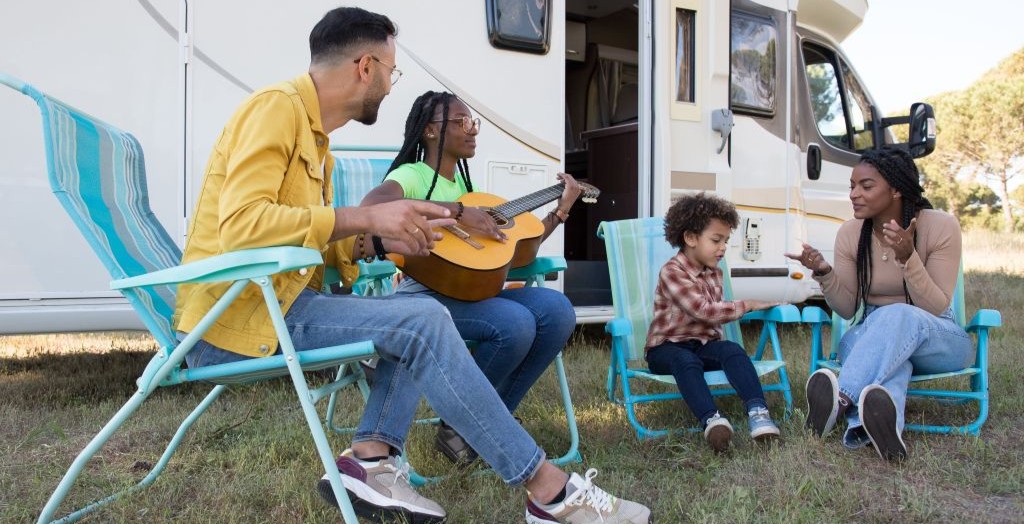
Read how one family turned the world into their classroom in Clonlara at Sea: From Dream to Highly Personalized Education On-the-Go.
3. Full Circle Learning: Giving Structure to Personalized Learning
To provide structure without limiting freedom, Clonlara uses Full Circle Learning (FCL), a process based on our student-centered approach to learning.
While it may appear simple, this thoughtful process based in Clonlara’ includes 10 key steps organized into three main phases, encouraging deep metacognition and helping students learn to reflect on how they think and learn.
Proposal (Planning Phase): Students begin by exploring a topic, defining goals, choosing resources (books, mentors, field trips, and more), and planning their project.
Fieldwork (Active Learning Phase): Students put their plans into action. They experiment, create, take notes, and collect evidence of their learning through photos, journals, projects, and other documentation.
Reflection (Analysis and Synthesis Phase): Students evaluate their progress, reflect on what they have learned, assess what worked well, and share their learning through presentations, portfolios, or other final products.
The Full Circle Learning process is not a straight path. Students may revisit earlier steps, spend more time on one stage, or move between phases as needed. This flexibility reflects the natural way people learn and discover.
See how this process works in practice in Full Circle Learning in Action: Building a Thinking Place.
4. Why the 6Cs Matter More Than Memorization
At Clonlara, assessment is not about punishment or ranking. Instead, it focuses on developing six essential competencies for the 21st century.
As Julie Bogart writes in Raising Critical Thinkers:
“When you identify the competencies you hope your child will develop, consider introducing a new experience that will help strengthen them.”
The 6Cs guide this journey:
- Collaboration: Working effectively with others toward a shared goal—for example, planning a community event or performing in a youth orchestra.
- Communication: Expressing ideas clearly while listening to and understanding others—for example, writing a graphic novel script or presenting a project to an audience.
- Content: Developing deep knowledge while making connections across disciplines—for example, linking the history of a civilization with its art and scientific achievements.
- Critical Thinking: Evaluating information carefully—for example, distinguishing facts from opinions or assessing the credibility of a source.
- Creative Innovation: Applying knowledge in original ways—for example, designing a solution to an environmental problem or rewriting the ending of a story.
- Confidence: Viewing setbacks as opportunities to grow—for example, testing a scientific hypothesis that may fail and learning from the experience.
5. Rediscovering the Joy of Learning
Moving from a highly structured educational system to greater autonomy often requires a period of adjustment known as deschooling. The more stressful or traumatic a student’s previous school experience has been, the longer this period may take—sometimes up to a year. It gives students time to rediscover their natural curiosity and realize they have permission to think independently.
To support this transition, Clonlara embraces a pedagogy of success. Rather than emphasizing mistakes, we focus on progress and strengths. This shift encourages students to see mistakes not as failures, but as valuable steps in the learning process, helping rebuild confidence over time.
6. Learning Through Service
At Clonlara, academic achievement goes hand in hand with community engagement. To earn a high school diploma, every student completes 180 hours of volunteering, giving them the opportunity to develop leadership, empathy, and civic responsibility.
Our students continually inspire us through projects such as these:
- Shannon earned second place in C-SPAN’s national competition with a documentary about plastic pollution in the oceans, raising awareness among thousands of students.
- Saaim and Raahim raised more than $4,000 for The Water Project by organizing a “Walk for Water,” where participants carried water over four kilometers to better understand the daily challenges faced by communities without reliable access to clean water.
- Vincent, beginning at just 10 years old, started writing to local mayors to launch community service initiatives. As he says: “You don’t have to be a superhero to help. You just have to have heart.”
7. Becoming a Lifelong Learner
Personalized learning prepares students for far more than exams. It helps them become lifelong learners who know themselves, embrace curiosity, and can confidently navigate an increasingly complex world.
At its heart is a simple idea: education is not something we passively receive. It is something we actively build, every day, through curiosity, purpose, and courage.
At Clonlara, we’ve spent more than 58 years supporting students as they discover who they are, what they care about, and how they learn best. We believe those experiences don’t just prepare young people for college or careers, but allow them to feel the joy of lifelong learning.
Curious what personalized learning could look like for your family? Learn more about Clonlara’s Off-Campus Program or explore our personalized approach to learning.