


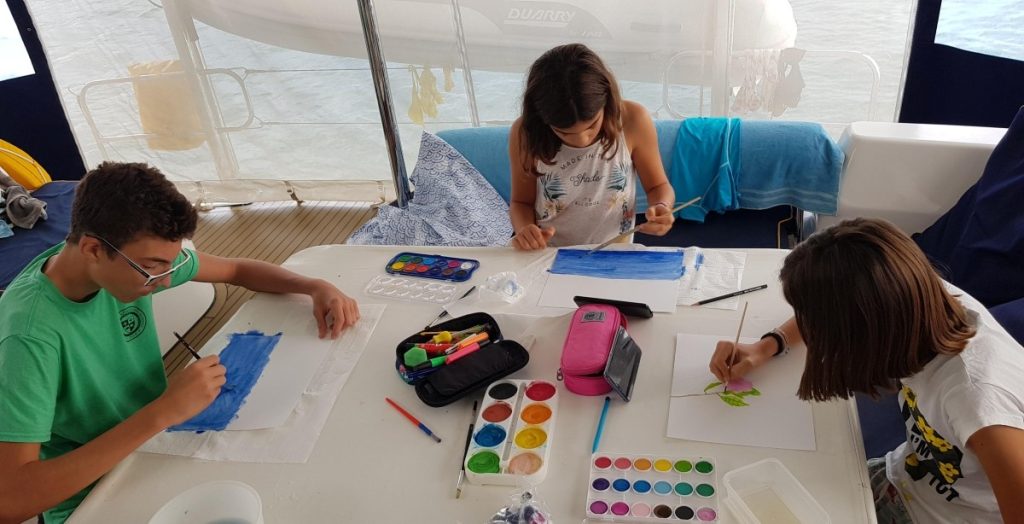
What does it mean to “give” your children art? Leyla, mother of Clonlara graduates, found the answer at the intersection of lived experience and science. In this blog post, she explains how Your Brain on Art: How the Arts Transform Us helped her realize what she had really given her children through her encouragement of art.
When my son started 6th grade, his new middle school art teacher had the class take an “entry test.” She gave the kids a white sheet of paper and colored pencils. My son drew a woodcutter outside his cabin, chopping logs, with mountains and blue sky in the background. He received a non-passing grade with the comment “too stereotypical.” I never understood what the teacher was testing for, nor did he. It felt unfair, but I didn’t say anything because I didn’t want to undermine her authority. Maybe she believed that 11-year-olds should already be able to create completely original artistic compositions.
For the next three years, the art class was a burden and that boy had no interest in any form of art.
When our family started homeschooling, I decided to “give” my children art. I always had tried, but it was harder while they were in school. I wanted to make art with them, so they could learn to create and express themselves through it. I wanted them to appreciate and enjoy different forms of beauty around them. We tried painting, drawing, ceramics, music, dancing, theatre, writing poetry—anything that sparked their interest. We explored nature and visited museums.
Without pressure, the boy that hated art class started drawing colorful monsters and detailed spaceships. Doodles began to populate his notebooks. His love of music grew. One of my daughters took on watercoloring, photography, and jewelry making. The other, poetry writing and theatre. I was happy they had all found their art.
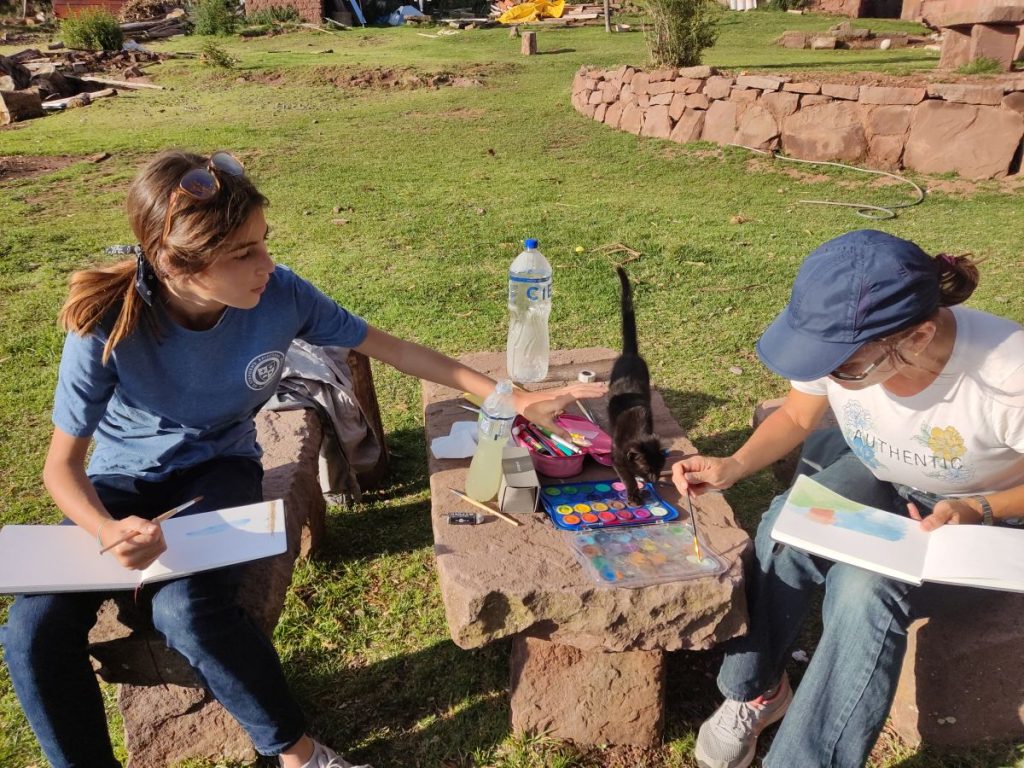
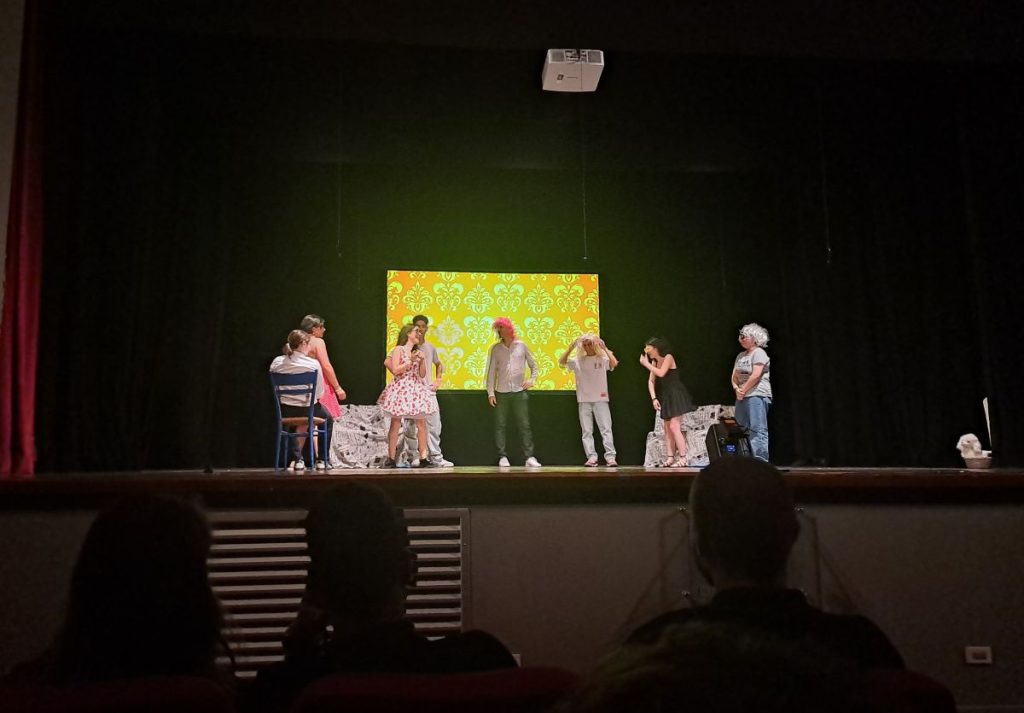
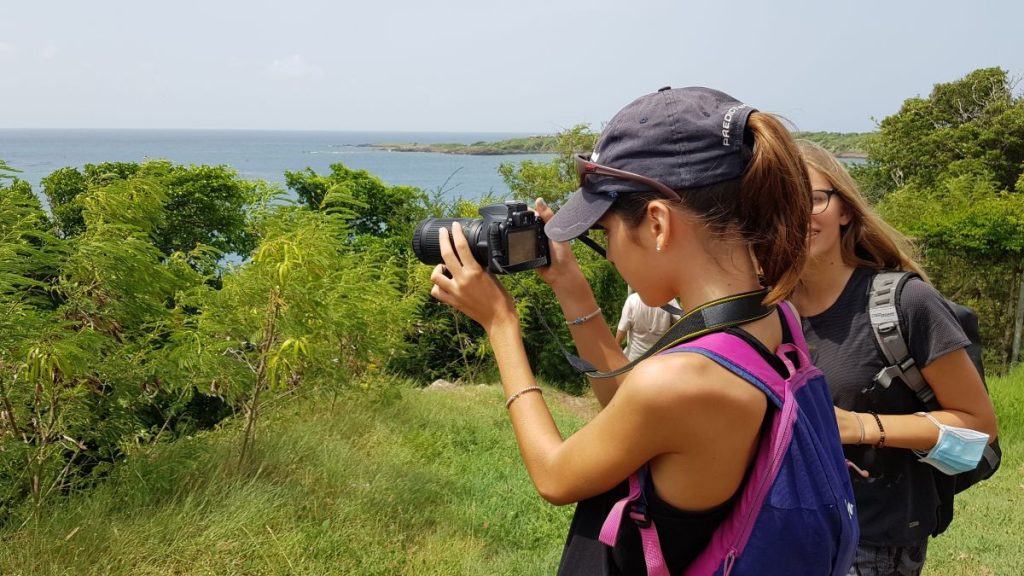
It turns out I had given them much more than just art.
In their book Your Brain on Art: How the Arts Transform Us, Susan Magsamen and Ivy Ross explore how arts and aesthetic experiences affect our brains, bodies, and behavior. Grounded in research studies and interviews with experts, the book covers topics from the biological effects of the arts in the human brain to their power to improve well-being and create community.
Here’s what the book taught me about why we should give art to our children:
Art changes our body and brain.
Artistic and aesthetic experiences can influence our physiology—how tense or calm we feel, how focused we are, how open our minds become. Studies have shown that sound therapy reduces stress, coloring mandalas alleviates anxiety, and drawing can be used to process trauma.
Art supports focus, problem solving, confidence, and resilience.
Practicing art lets children make choices, solve problems, keep going when something doesn’t work the first time, explore, take risks, and learn from mistakes. It gives them a safe space to practice attention and persistence. Arts participation can strengthen skills that help children socially, too—things like empathy, self-awareness, and better conflict resolution.
Creating is at the core of learning.
Some learning is explicit: we intentionally seek knowledge. Other learning is implicit: it happens when we live experiences that reshape us. Novelty, humor, curiosity, motivation, and environment all strengthen learning. The arts naturally bring those ingredients together. They invite discovery. They make room for play. They create experiences that feel meaningful—and meaningful experiences become learning that lasts.
Art helps children learn in a way that actually sticks.
Kids learn best in environments that feel rich, varied, and alive. Sensory-rich experiences—things you can see, touch, hear, and notice—help us take in information faster and remember it longer. Art slows the pace down just enough for kids to observe, to try, to adjust, and to understand. When schools include the arts in a meaningful way, academic results improve. Even more importantly, students’ interest in learning increases.
You don’t have to be “good” at art to benefit.
Even small acts like doodling, coloring, or free drawing can engage the part of the brain that helps with focus and meaning-making. The value is in the doing, not in producing something impressive.
All forms of art count.
Art includes making—drawing, painting, sculpture, crafts, music, singing, dance, theatre, poetry—but also appreciating: listening to music, watching a film, visiting a museum, reading poetry, noticing design, or simply observing nature. This means we can build an artistic life through what we take in, what we notice, and what we enjoy.
We can nurture an “aesthetic mindset.”
The authors describe an aesthetic mindset as a way of moving through the world that keeps curiosity awake. People who develop this mindset tend to pay attention to what their senses perceive, enjoy open-ended exploration, and CREATE.
Nature is the ultimate enriched environment.
A walk outside can be an art lesson without anyone calling it that: patterns in leaves, the colors of a sunset, shadows on a wall, the rhythm of waves. When we notice beauty with our kids, we’re training attention and wonder at the same time.
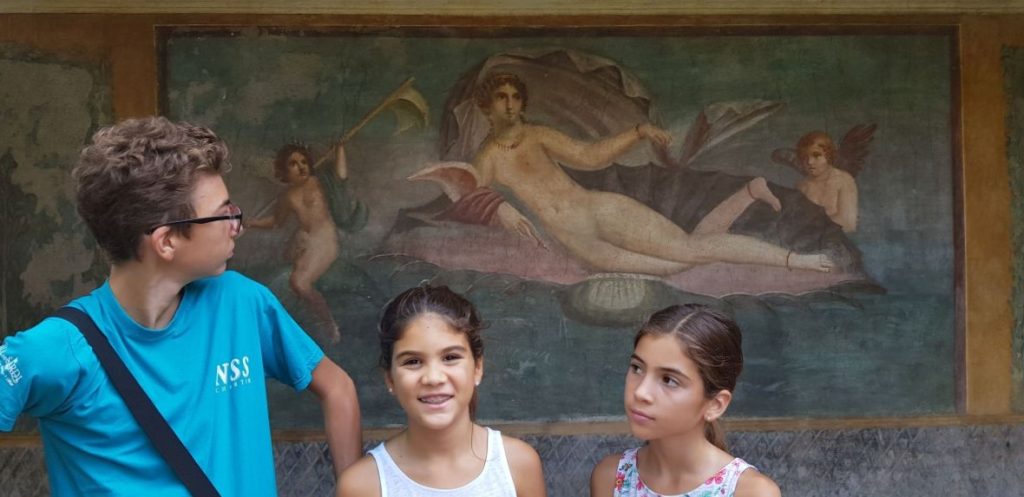
So my encouragement to you is simple: give your children art. Put materials within reach. Make something alongside them. Notice beauty together. Let art be wide enough to include music, movement, stories, crafts, doodles, and nature. Keep it low-pressure and open-ended. Because when art is a gift, children are far more likely to discover what they love, express who they are, and carry that curiosity with them to become lifelong learners.
About the authors of Your Brain on Art: How the Arts Transform Us: Susan Magsamen is the founder and executive director of the International Arts + Mind Lab (IAM Lab) Center for Applied Neuroaesthetics at the Johns Hopkins University School of Medicine. Ivy Ross is Google’s Chief Design Officer for Consumer Devices. Read the book for more on the powerful benefits of art!