


Los asesores de Clonlara suelen recomendar juegos de mesa como un recurso de aprendizaje significativo. Pero ¿qué los hace tan valiosos? Joana Nóbrega, asesora de Clonlara especializada en juegos de mesa, comparte sus reflexiones sobre las numerosas competencias que los niños pueden desarrollar simplemente jugando juntos en familia.
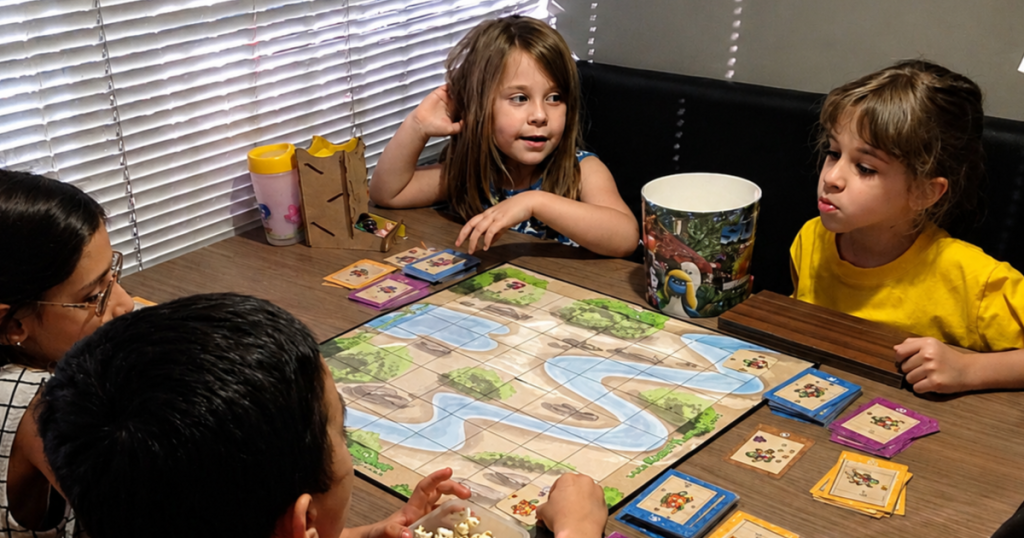
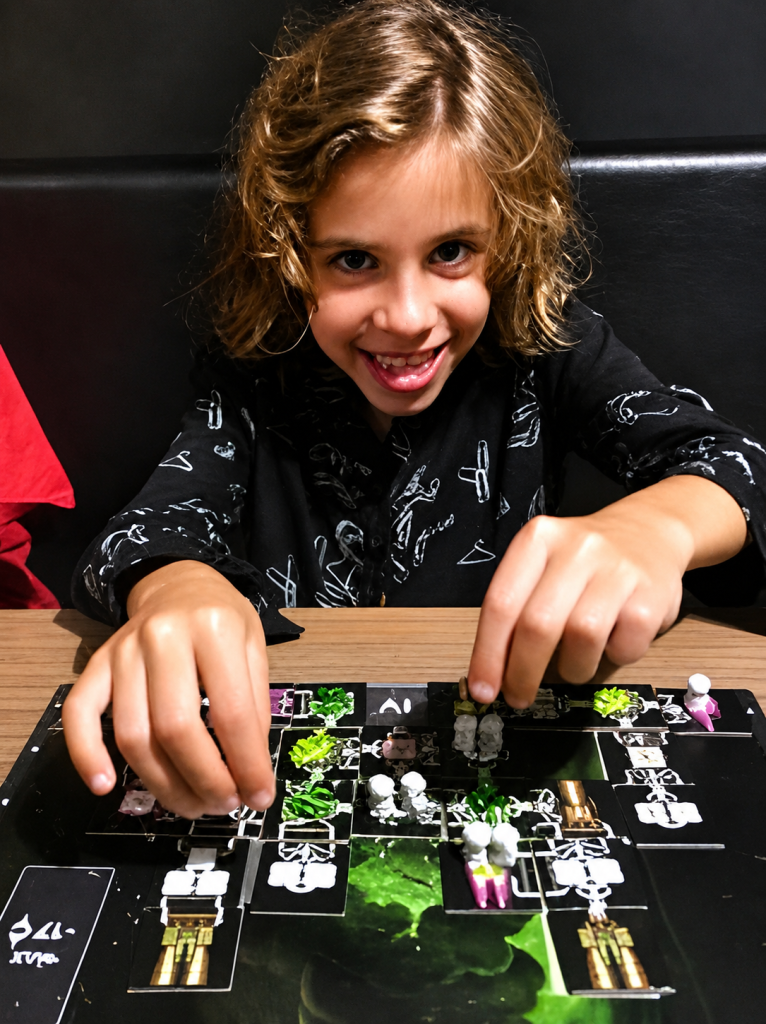
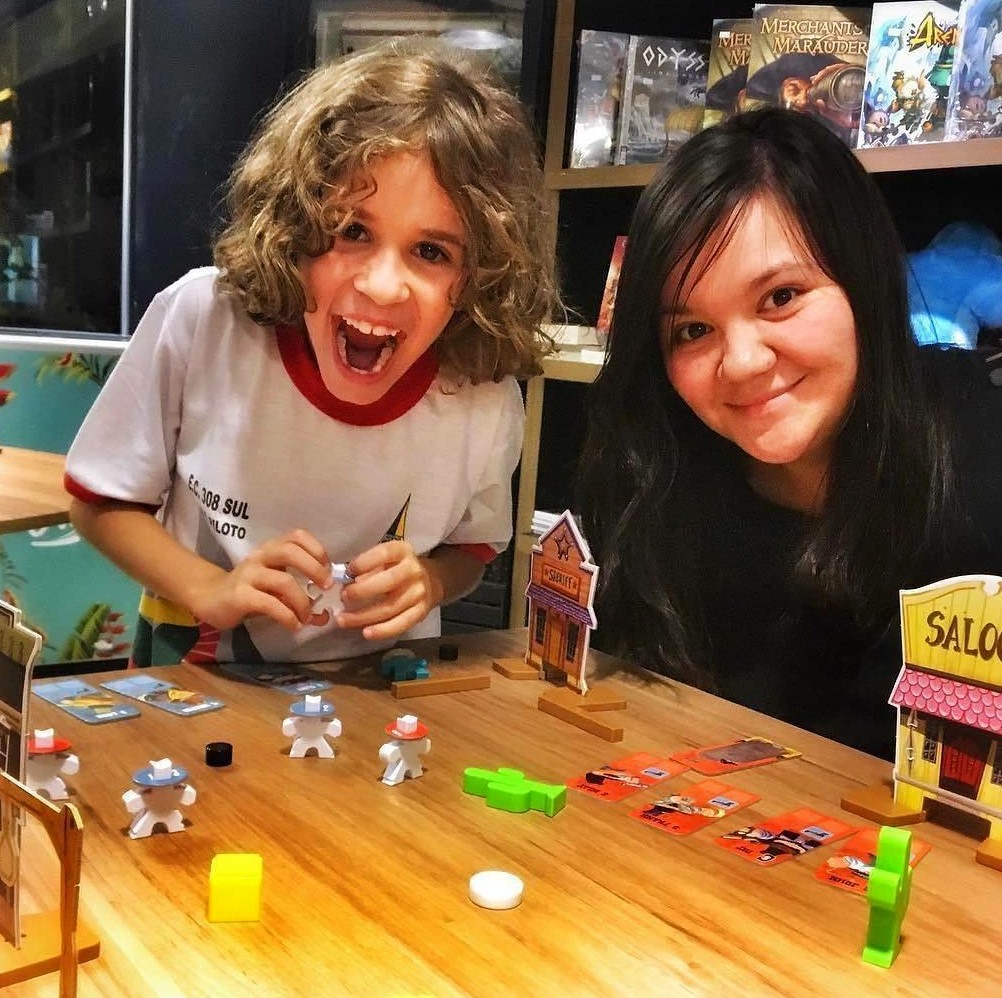
Un grupo de niños se reúne alrededor de una mesa. Uno de ellos se detiene antes de hacer un movimiento, pensando cuidadosamente. Un amigo se inclina para ayudar. Alguien se ríe después de cometer un error y rápidamente prueba una nueva estrategia.
Nadie les está diciendo que se concentren. Nadie pregunta cuándo terminará. Y, aun así, está ocurriendo un aprendizaje profundo.
Los juegos de mesa son mucho más que diversión: crean las condiciones perfectas para que un aprendizaje significativo ocurra de manera natural.
El aprendizaje se vuelve activo
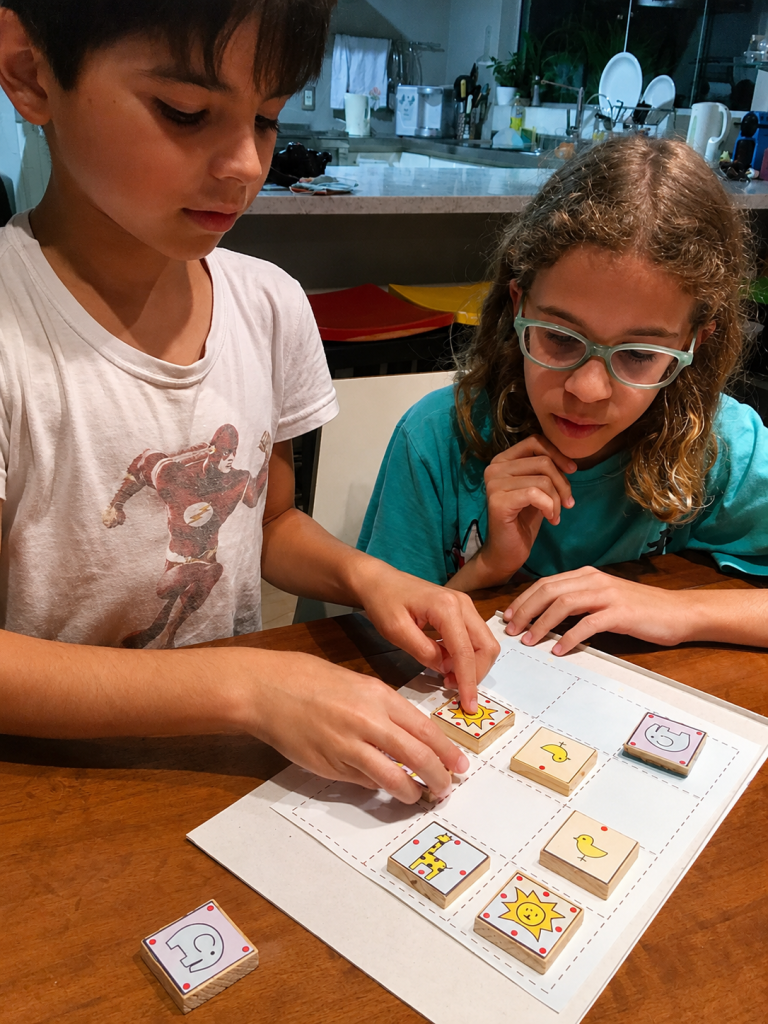
Los juegos de mesa tienen un poder silencioso. Transforman el aprendizaje en una experiencia activa, social y significativa sin que parezca una lección. Cuando los niños juegan, están tomando decisiones constantemente. Ponen a prueba ideas, ajustan su manera de pensar y vuelven a intentarlo. En lugar de solo recibir información, forman parte intencionalmente del proceso. Este tipo de participación activa ayuda a que el aprendizaje permanezca con ellos.
Los errores se ven de una manera diferente
Los juegos también cambian la manera en que los niños perciben los errores. Cuando se juega a un juego de mesa, equivocarse es normal. Se espera. Los jugadores intentan, fallan y vuelven a intentarlo. Está bien ajustar y corregir. Con el tiempo, esto fortalece la confianza. Los niños comienzan a ver los desafíos como algo que pueden afrontar, y no como algo que deben evitar o de lo que deberían avergonzarse.
El pensamiento se vuelve más profundo
Los juegos de mesa desarrollan naturalmente el pensamiento crítico. Cada movimiento importa. Los jugadores evalúan opciones, asumen riesgos y planifican con anticipación. Aprenden a pensar cuidadosamente antes de actuar y a reflexionar sobre lo que sucede después. Estas habilidades van mucho más allá del propio juego.
Las 6Cs en acción
Jugar a juegos de mesa desarrolla las seis competencias que en Clonlara buscamos desarrollar en nuestros estudiantes, y que llamamos las 6Cs:
- Los niños aprenden contenidos en contexto, no de manera aislada.
- Practican el pensamiento crítico mediante la estrategia y la toma de decisiones.
- Utilizan la comunicación para explicar y comprender ideas.
- Desarrollan la creatividad a través de la imaginación y la resolución de problemas.
- Experimentan la colaboración al jugar con otras personas.
- Y fortalecen la confianza en sí mismos a medida que participan y mejoran.
Todo esto sucede al mismo tiempo, de una manera natural y atractiva. Por eso los juegos de mesa son una herramienta de aprendizaje tan poderosa.
Comunicación, creatividad y conexión
Los juegos de mesa crean espacio para la expresión y la imaginación. Los jugadores describen ideas, interpretan pistas y exploran posibilidades. Aprenden tanto a comunicarse con claridad como a comprender diferentes perspectivas.
Los juegos también unen a las personas. Alrededor de una mesa, los niños escuchan, cooperan y manejan pequeños conflictos. Celebran las victorias y afrontan las derrotas. Estas experiencias compartidas ayudan a desarrollar empatía y un sentido de pertenencia.
Concentración y participación
Puede que notes lo concentrados que están los niños mientras juegan. Pierden la noción del tiempo. Están completamente involucrados. Esto sucede porque el desafío se siente adecuado, el objetivo es claro y la retroalimentación es inmediata. A través de este tipo de participación activa, el aprendizaje se vuelve más profundo y significativo.
Incorporar juegos al aprendizaje
Utilizar juegos de mesa no tiene por qué ser complicado. Puede ser tan simple como elegir un juego, dejar que los niños jueguen o unirse a ellos. Participar puede fortalecer la conexión con ellos y crear vínculos sólidos, además de permitirte observar lo que sucede. Tomarse un momento para reflexionar después, con preguntas sencillas como “¿qué funcionó?” o “¿qué intentarías hacer de otra manera?”, puede convertir el juego en una experiencia de aprendizaje muy poderosa.
Ese momento alrededor de la mesa, lleno de risas y reflexión, es mucho más que un simple juego. Es aprendizaje en su forma más natural. Y a veces, la mejor manera de ayudar a los niños a crecer es simplemente darles espacio para jugar.